
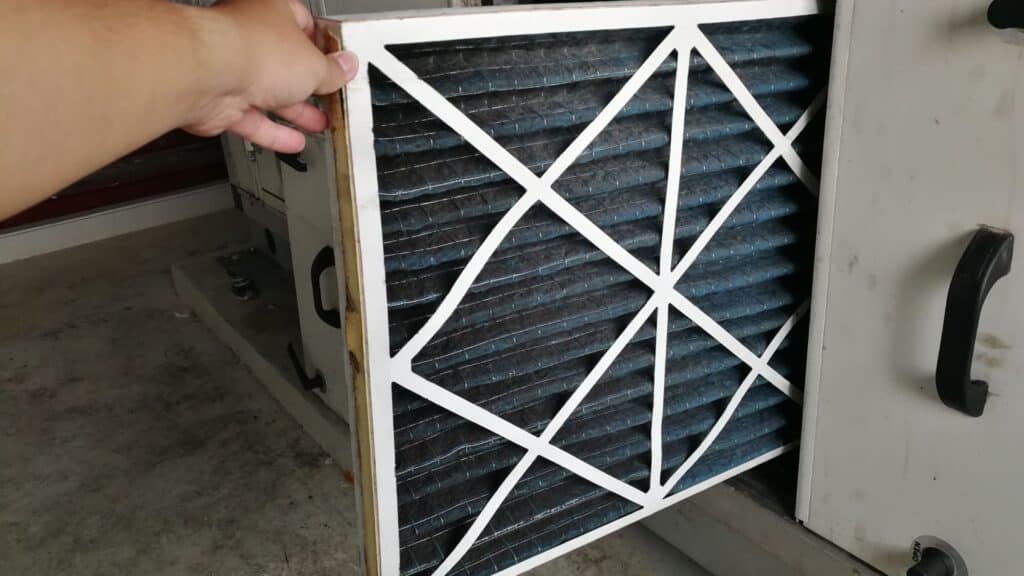
It is one of the simplest maintenance tasks in the entire house, but it is also one of the most consistently skipped. Your HVAC filter sits quietly behind a vent or inside your air handler, doing its job day after day until it simply cannot do it anymore. At that point, every cubic foot of air moving through your home passes through a clogged, contaminated barrier, and your system works harder and harder to keep up. The toll that takes on your equipment, your energy bills, and the air your family breathes is real and measurable.
HVAC filter replacement is not glamorous, but the impact it has on your indoor air quality, your utility costs, and the lifespan of your heating and cooling equipment is genuinely significant. The good news is that your home will usually tell you when a filter change is overdue. This guide covers every major warning sign, explains how filter type affects replacement schedules, and gives you a practical system for staying on top of it.
Quick Answer
Your HVAC filter needs replacing when it appears visibly dark and clogged, when airflow from your vents has dropped noticeably, or when your energy bills have increased without a change in usage. Most standard filters should be replaced every 60 to 90 days, though homes with pets, allergy sufferers, or active renovation work may need HVAC filter replacement every 30 to 45 days.
What an HVAC Filter Actually Does
Your HVAC system circulates air through your home continuously, pulling return air in through vents and pushing conditioned air back out through supply registers. The filter sits in that return air path and captures dust, pet dander, pollen, mold spores, and other airborne particles before they can coat the system’s internal components or recirculate through your living spaces.
A clean filter captures particles efficiently without restricting the airflow your system needs to operate correctly. A clogged filter still traps particles but forces the blower motor to work against significant resistance to move the same volume of air. That extra strain costs energy and puts mechanical wear on every component in the system, shortening the life of equipment that costs thousands of dollars to replace.
The Clear Signs Your Filter Needs to Be Replaced
The most reliable sign that HVAC filter replacement is overdue is visible dirt on the filter itself. Pull the filter out and hold it up to a light source. A new filter lets light through easily and shows bright white or light gray media. A filter that needs replacing will be visibly dark, loaded with dust and debris, and may block light almost entirely in the most clogged sections. If that is what you are seeing, the replacement is already past due.
A noticeable drop in airflow from your supply vents is another strong indicator. If rooms that normally heat or cool quickly are taking longer than usual, or if vents that used to push strong airflow now feel weak, a clogged filter is one of the first things to check. Restricted airflow is the direct mechanical consequence of a filter that has reached its capacity, and it affects comfort throughout the home before most homeowners connect the symptom to the filter.
Rising energy bills without a change in usage habits are a subtler but equally reliable signal. According to the U.S. Department of Energy, replacing a dirty, clogged filter can lower your air conditioner’s energy consumption by 5% to 15%. That adds up over the course of a season, and a long stretch of neglected HVAC filter replacement can produce noticeable bill increases month after month.
Increased dust settling on surfaces throughout the home is another sign worth noting. When a filter is overloaded, it begins to allow particles through that it would normally capture, meaning you are dusting more often without any change in habits. For households with allergy sufferers, worsening indoor symptoms like sneezing, congestion, or itchy eyes are a direct signal that HVAC filter replacement is needed.
HVAC Filter Warning Signs: Quick Reference
| Warning Sign | What It Looks or Feels Like | Action Needed |
| Visibly dark filter | Filter appears grey or black, blocks light when held up | Replace immediately |
| Weak airflow from vents | Rooms heat or cool slowly, vents feel less forceful | Check and replace filter first |
| Rising energy bills | Utility costs up without change in usage | Inspect filter and replace if clogged |
| More dust on surfaces | Surfaces accumulate dust faster than usual | Replace filter and inspect return vents |
| Worsening allergy symptoms | Sneezing, congestion, or itchy eyes worse at home | Replace filter, consider higher MERV rating |
| Musty or stale air smell | Air feels heavy or has an odor when system runs | Replace filter, inspect for mold near handler |
How Filter Type Affects How Often You Should Replace It
Not all HVAC filters are the same, and replacement frequency varies significantly depending on the type you use. Basic fiberglass filters are the least expensive option and typically need replacement every 30 days. They offer minimal filtration and are designed primarily to protect the HVAC equipment rather than improve indoor air quality. If this is your filter type, monthly HVAC filter replacement is the minimum standard you should hold yourself to.
Pleated filters are the most common choice in residential homes and strike a good balance between filtration efficiency and airflow. A standard one-inch pleated filter in a home without pets or allergy concerns should be replaced every 60 to 90 days. In homes with one or two pets, every 60 days is the better target, and in homes with multiple pets or anyone with respiratory conditions, every 30 to 45 days is worth the investment.
Thicker high-efficiency filters, including the four-inch and five-inch media filters found in whole-home filtration systems, have significantly more surface area and can go three to six months between replacements in typical conditions. These capture a broader range of particles and are a worthwhile upgrade for homeowners who want better air quality without frequent HVAC filter replacement. Always check the manufacturer’s recommendation for your specific filter, since MERV ratings and lifespans vary considerably between products.
Other Factors That Speed Up Filter Loading
Several household factors accelerate how quickly a filter reaches capacity. Pets are the most significant variable for most homeowners. A single dog or cat can add enough hair and dander to your air supply to cut a filter’s effective life nearly in half. Multiple pets compound this, and anyone with both pets and allergies should be changing filters monthly regardless of filter type to maintain air quality.
Renovation and construction activity generate enormous amounts of fine dust that overload filters very quickly. During any active renovation, check your filter every two weeks and replace it as soon as it shows visible loading. Waiting for your normal schedule during a renovation can allow debris to bypass the filter and coat the internal components of your HVAC system, creating cleaning or repair costs that far outweigh the price of a few extra filters.
Seasonal factors also play a role. During high-pollen months and in regions with elevated outdoor particulate levels, filters load faster than in milder conditions. Building the habit of a quick visual filter inspection once a month, regardless of your normal HVAC filter replacement schedule, takes about two minutes and catches problems before they affect your system or your air quality. For a deeper look at how your specific equipment affects filter performance, the team at Aspen One Hour Heating and Air Conditioning covers HVAC maintenance in depth and is a reliable resource for Michigan homeowners.
How to Make HVAC Filter Replacement a Habit You Actually Keep
The most common reason homeowners fall behind on filter changes is not neglect. It is that the filter is out of sight and therefore out of mind. Tying HVAC filter replacement to something that already happens on a fixed schedule solves this completely. Changing the filter on the first of each month, on the same day you pay a specific recurring bill, or alongside another regular task creates a reliable trigger that does not depend on memory alone.
Buying filters in bulk removes friction from the process. A multi-pack of the right filter costs less per unit than buying individually and means you never have to make a separate trip before you can replace it. Keep them stacked near your HVAC unit so the filter is right in front of you when the time comes.
If you are unsure whether your current filter type is the right fit for your system and your home’s needs, the Home Owners Guide resource library is a great starting point for finding guidance on filter ratings, MERV scores, and what works best for different household situations.
Final Thoughts
HVAC filter replacement is the kind of task that rewards consistency far more than perfection. You do not need to track the exact date of your last change or hit a precise interval every time. What matters is that you are checking your filter regularly, replacing it when the signs are there, and not letting months go by without giving it any attention.
A clean filter means cleaner air, lower energy bills, fewer repair calls, and a longer life for equipment that costs thousands of dollars to replace. For the price of a filter and five minutes of your time, it is one of the best returns on investment in all of home maintenance.
Want more practical, easy-to-follow home maintenance guides like this one? Contact the Home Owners Guide team for free resources, video tutorials, and expert tips designed to help every homeowner stay ahead of problems before they become expensive ones.
Frequently Asked Questions
How often should I change my HVAC filter?
Most standard one-inch pleated filters should be replaced every 60 to 90 days in a typical household. Homes with pets, allergy sufferers, or anyone with respiratory conditions should target every 30 to 45 days, and basic fiberglass filters need replacement every 30 days regardless of household factors. Thicker four-inch or five-inch media filters can typically go three to six months between changes depending on usage.
What happens if I never change my HVAC filter?
A filter that is never replaced will eventually become so clogged that it severely restricts airflow to the system, causing the blower motor to overheat and potentially triggering a system shutdown or mechanical failure. Beyond equipment damage, a saturated filter can also allow accumulated debris to pass through into the air handler and ductwork, degrading indoor air quality and creating conditions favorable to mold growth inside the system.
Can a dirty HVAC filter make me sick?
Yes, a clogged filter that allows particles to bypass it or recirculate can worsen indoor air quality and aggravate allergies, asthma, and other respiratory conditions. Mold spores, dust mite debris, and pet dander that accumulate on an overloaded filter can be pushed back into the living space when the filter can no longer hold them. Regular HVAC filter replacement is one of the most impactful steps you can take for the air quality in your home.
Does a higher MERV rating mean I need to change my filter more often?
Higher MERV-rated filters capture smaller particles more effectively but also load up with debris faster than lower-rated options, which can mean shorter replacement intervals in dusty or high-traffic homes. A MERV 11 or 12 filter in a home with pets may need replacement every 45 to 60 days rather than every 90 days. Always check the manufacturer’s guidance for your specific filter rating and adjust based on what you observe when you pull the filter for inspection.
How do I know what size HVAC filter to buy?
The size of your filter is printed on the side of the existing filter you are replacing and is listed in length by width by depth, such as 16x20x1. If the printing has worn off, you can measure the filter slot opening directly with a tape measure. Always buy the exact size listed on your current filter, since an incorrectly sized filter allows unfiltered air to bypass the media and defeats the purpose of HVAC filter replacement entirely.
Is there a way to tell my filter is dirty without taking it out?
Yes, there are several signs you can observe without removing the filter. Reduced airflow from supply vents, increased dust settling on surfaces, rising energy bills, and worsening allergy symptoms indoors are all reliable signals that your filter is loaded and past due for replacement. That said, pulling the filter for a quick visual inspection once a month is the most reliable check and takes less than two minutes from start to finish.
Home Owners Guide proudly serves homeowners across Michigan with free tips, video tutorials, and practical home maintenance resources. Questions about HVAC filter replacement or any other home maintenance topic? Contact our team today.