
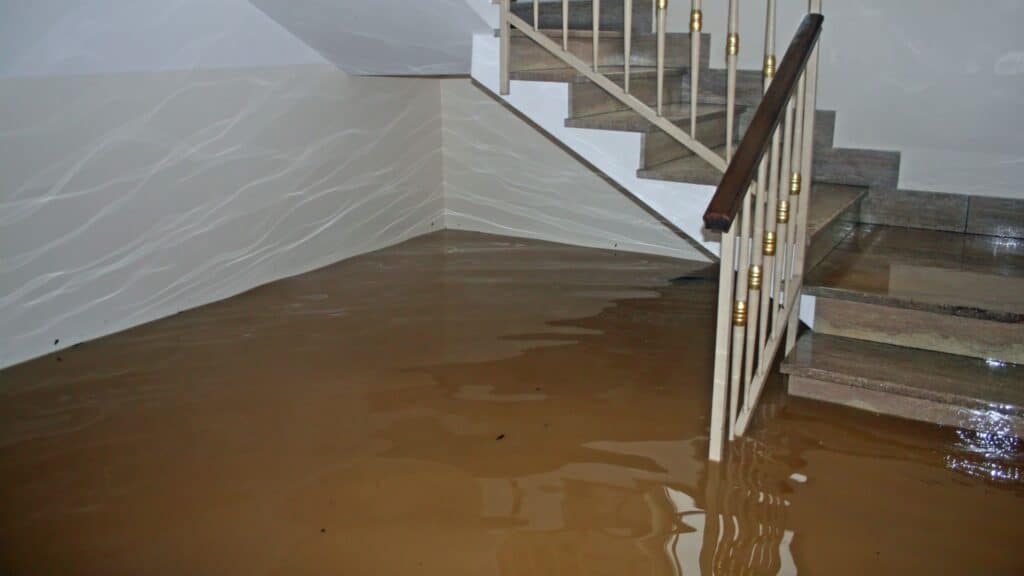
You head downstairs on a rainy April morning and step directly into cold, standing water. The carpet is soaked, boxes are floating, and the smell of dampness is already setting in. Basement flooding is one of the most stressful things a homeowner can face, and it has a way of showing up at the worst possible time. How you respond in the first hour can mean the difference between a manageable cleanup and a full-scale renovation.
Whether the water came from a heavy rainstorm, a backed-up drain, a failed sump pump, or a cracked foundation wall, this guide walks you through exactly what to do: how to stay safe, how to stop the damage from spreading, how to clean up correctly, and how to make sure it does not happen again.
Step One: Do Not Go In Until You Know It Is Safe
The first instinct when you discover basement flooding is to rush downstairs and start moving things. Resist that instinct until you have confirmed it is safe to enter. Standing water in contact with electrical outlets, appliances, or a water heater creates a serious electrocution risk that can be fatal. Before you step into any flooded space, go to your electrical panel and shut off power to the basement entirely.
If your electrical panel is in the basement and you cannot reach it safely, call your utility company and ask them to cut power at the meter before you enter. This is not a step to skip or rush. Electrical hazards in a flooded basement are not always visible, and the risk is real regardless of how shallow the water appears. Safety has to come first, every single time.
Once power is confirmed off, look at the water before wading in. If the flooding appears to have come from a sewage backup rather than clean rainwater or a supply line, the water may be contaminated with bacteria and pathogens. In that case, wear rubber boots, gloves, and a face mask before entering. A foul smell or visibly murky, dark water is a strong indicator that you are dealing with something more serious than rainwater.
Step Two: Find the Source and Stop It If You Can
Once it is safe to enter, your next priority is identifying where the water is coming from and stopping it at the source if that is within your control. Basement flooding has several common causes, and each one calls for a slightly different immediate response. Knowing which situation you are dealing with helps you act decisively rather than guessing.
If the water is coming from a supply line or burst pipe, get to your main water shutoff and turn it off immediately. Every minute a supply line runs unchecked adds more water to the problem. If you are unsure where your main shutoff is, look near the point where the water line enters the foundation, typically in the utility area, and turn the valve clockwise until it stops.
If the flooding is coming from groundwater pushing through the foundation walls or floor, a shutoff valve will not help. In this case, your focus shifts to removing water as fast as possible and preventing it from spreading further into the structure. Heavy rain events and rapid snowmelt are the most common triggers for this type of basement flooding, and a working sump pump is the front line of defense against it.
If you suspect the flooding came from a backed-up floor drain or sewage line, do not use any plumbing fixtures until the situation is evaluated by a plumber. Running water from toilets, sinks, or washing machines can make a sewage backup significantly worse very quickly. Contact a licensed plumber immediately if sewage backup is a possibility.
Step Three: Remove the Water as Quickly as Possible
Water left sitting in a basement causes damage on an accelerating timeline. Within the first few hours, flooring, drywall, wood framing, and stored belongings all absorb moisture. Within 24 to 48 hours, mold can begin developing on virtually any porous surface. The faster you get the water out, the more you limit the downstream consequences of the flooding.
For significant water accumulation, a wet/dry shop vacuum or a submersible pump is your best tool. Submersible pumps can move hundreds of gallons per hour and are available at most hardware stores for purchase or rental. Run a discharge hose to the exterior of the home, making sure the water is directed well away from the foundation so it does not simply drain back in. Work from the edges inward and remove water in passes until the floor is as dry as possible.
Once the bulk of the water is removed, use mops, towels, and fans to address residual moisture on floors and lower walls. Open windows if outdoor humidity is lower than indoor humidity to encourage airflow, and run a dehumidifier continuously to begin pulling moisture out of the air and materials. The goal at this stage is to get the space as dry as possible as quickly as possible, because time is working against you.
Wet carpet is particularly problematic after basement flooding. Even if the carpet can be saved, the padding beneath it almost never can, and leaving soaked padding in place creates ideal conditions for mold. Pull back flooring materials, remove the padding, and get both drying or disposed of quickly. Concrete subfloors handle moisture better than organic materials, but still need to be fully dried before anything goes back over them.
Step Four: Document Everything Before You Clean Up
Before you throw anything away or start ripping out damaged materials, stop and document what you are seeing. Take photos and videos of every affected area from multiple angles, including water lines on the walls, damaged belongings, flooring, and any visible structural damage. This documentation is essential if you plan to file a homeowner’s insurance claim, and having it before cleanup begins gives you the strongest possible position when dealing with your insurer.
Make a list of every item damaged or destroyed by the basement flooding, including approximate values and any receipts or prior photos you have. Insurance adjusters work from evidence, and thorough documentation leaves less room for disputes. Do this even if you are not certain you will file a claim, since you cannot go back and document what you have already discarded.
Standard homeowner’s insurance typically does not cover flooding from external groundwater, which includes most storm-related events. That coverage usually requires a separate flood insurance policy. However, sudden and accidental water damage from a burst pipe or appliance failure is generally covered, so understanding the distinction before you call your insurer saves time and frustration.
Step Five: Address Mold Before It Takes Hold
Mold is one of the most serious long-term consequences of basement flooding, and it works fast. Spores that were already present in the air before the flood can begin colonizing wet surfaces within 24 hours under the right conditions. Once mold takes hold in wall cavities, framing, or beneath flooring, it becomes a much more expensive and complicated problem than it would have been if caught early.
After the water is removed and drying is underway, treat all affected hard surfaces with a mold-inhibiting solution. A mixture of one cup of bleach per gallon of water applied to concrete, tile, and hard wall surfaces kills surface mold and inhibits new growth. Wear gloves and ensure the space is ventilated while working with bleach. For porous materials like drywall, wood framing, or carpet that have been saturated, the safest approach is removal and replacement rather than cleaning.
If mold has already begun growing, or if the affected area exceeds about ten square feet, the EPA recommends bringing in a professional mold remediation company. Disturbing mold without proper containment can spread spores to previously unaffected areas of the home, turning a localized problem into a whole-house situation.
Why Your Sump Pump Is Your Most Important Defense
For homes prone to basement flooding, a properly functioning sump pump is the single most effective preventive tool available. It sits in a pit at the lowest point of the floor and automatically activates when water reaches a set level, pumping it away from the foundation before it can accumulate to damaging levels. Homes without one in flood-prone areas are essentially waiting for the next event.
Sump pumps are not maintenance-free. The pump mechanism can wear out, the float switch can fail, and the discharge line can become blocked or freeze in winter. Testing your sump pump every few months by pouring water into the pit and confirming it activates and drains correctly takes only a few minutes and gives you confidence that the system will perform when it matters. If the pump runs but does not drain effectively, or if it does not activate at all, it is time for a repair or replacement before the next storm arrives.
A battery backup sump pump is one of the most valuable additions a homeowner in a flood-prone area can make to their basement flooding defense system. The most common time for basement flooding to occur is during a heavy storm, which is also the most common time for power outages to happen. A primary sump pump that loses power during the exact event it is needed for is not much of a safety net. A battery backup system keeps the pump running even when the grid goes down, and in many cases, it is the only thing standing between a dry basement and a flood.
For expert guidance on sump pump options, installation, and service, Aspen Plumbing Services offers professional sump pump solutions to help protect your home from basement flooding before it starts.
Long-Term Prevention: Keeping Water Out for Good
After dealing with basement flooding once, most homeowners are highly motivated to make sure it does not happen again. Start outside the home. The soil around your foundation should slope away from the house so rainwater drains outward rather than pooling against the walls. Over time, settling soil can reverse that slope, and regrading is a straightforward, affordable fix.
Make sure gutters and downspouts are clean and directing water well away from the foundation. Clogged gutters deposit large volumes of water right where you do not want it. Downspout extensions or underground drain lines move water further from the structure and prevent a significant percentage of basement flooding events in homes where the drainage system is otherwise sound.
Interior waterproofing measures such as hydraulic cement on foundation cracks, a perimeter drainage system, or a waterproofing compound on interior walls can all reduce groundwater intrusion during heavy rain. For homes with recurring basement flooding, a professional waterproofing evaluation can identify the specific entry points and recommend the most cost-effective path forward.
Final Thoughts
Basement flooding is never welcome, but it is manageable when you know what to do. Acting quickly, staying safe, documenting thoroughly, and drying the space fast are the pillars of an effective response. Every hour you act decisively is an hour less that mold, rot, and structural damage have to gain ground.
Once the crisis is behind you, use it as motivation to invest in the preventive measures that will protect your home long term. A working sump pump, clean gutters, proper grading, and sealed foundation cracks are not glamorous upgrades, but they are the ones that keep your basement dry year after year, no matter what the weather brings.