
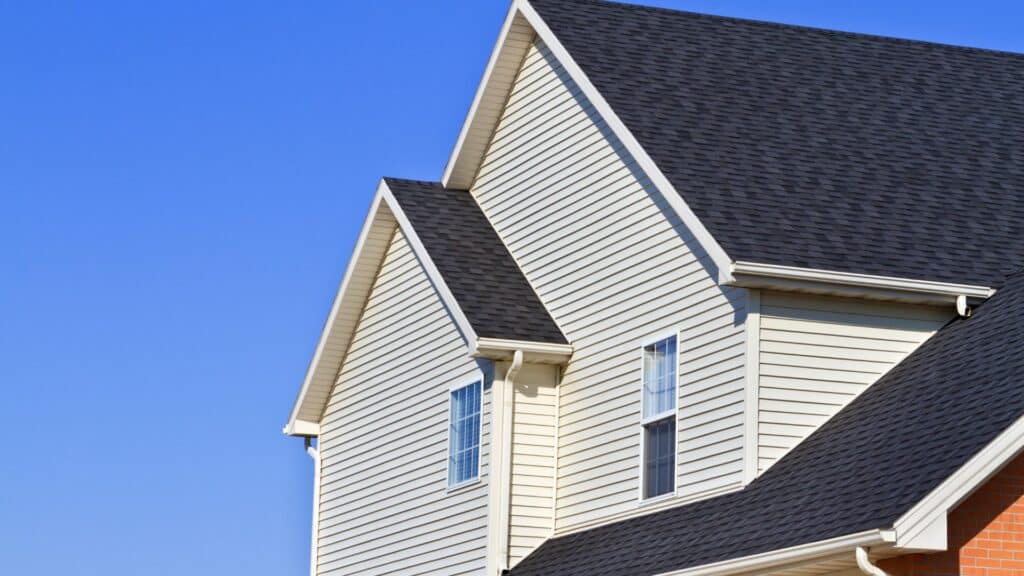
Siding does a lot of quiet work protecting a home. It shields the walls from rain, wind, sun, and everyday wear, all while barely getting a second thought until something looks noticeably wrong. The tricky part is that siding damage rarely starts out looking serious. It usually begins small, a slight warp here, a crack there, and slowly gets worse the longer it goes unnoticed.
Catching these early signs makes a real difference, since small siding issues are usually simple and affordable to fix, while ignored damage tends to spread into bigger, more expensive problems involving moisture, insulation, or even structural wood underneath.
Cracks and Splits
Small cracks are one of the easiest signs to miss, especially from a distance. Depending on the siding material, cracks can come from age, temperature swings, impact from debris, or even settling in the structure of the house itself.
Even a small crack matters because it gives water a way in. Once moisture gets behind the siding, it can lead to rot, mold, or damage to the wall sheathing underneath, none of which are visible just by looking at the outside of the house.
Warping or Buckling
Siding that looks wavy, bent, or like it’s pulling away from the wall is usually reacting to something happening underneath it. This can point to moisture trapped behind the siding, improper installation, or heat damage in materials like vinyl that can warp when exposed to intense, reflected sunlight.
Warped siding rarely fixes itself, and the longer it sits, the more likely it is that whatever caused the warping in the first place is still actively causing damage out of sight.
Fading or Discoloration
A little bit of fading over the years is normal and mostly just cosmetic. Uneven fading, dark streaking, or discoloration in specific spots is worth a closer look though, since it can point to mold, mildew, or consistent moisture exposure in one particular area.
Dark streaks running down from a corner or seam often mean water is finding its way behind the siding in that spot repeatedly, rather than just running off the surface the way it’s supposed to.
Soft Spots or Rot
Pressing gently on a suspicious area of siding, or the wood trim around it, is a simple way to check for hidden problems. If it feels soft, spongy, or gives way slightly under light pressure, that’s usually a sign of rot or water damage happening underneath.
This is one of the more serious signs on this list, since rot means moisture has already been sitting there for a while. Left alone, it tends to spread to nearby siding panels and can eventually reach the structural wood framing behind the wall.
Loose or Missing Panels
Panels that are loose, gapping away from the wall, or missing entirely are pretty easy to spot compared to the other signs on this list, but they still get overlooked more than people expect, especially on the back or sides of a house that don’t get looked at as often as the front.
A gap or missing section leaves the wall exposed, which speeds up water damage and can also let pests find their way into the wall cavity.
Bubbles or Blisters
Small bubbles or blister like bumps in siding usually mean moisture got trapped between the siding and the layer underneath it, often during a period of high humidity or after a stretch of wet weather. Over time, trapped moisture can start breaking down the material from the inside, even if the surface still looks mostly intact.
Increased Energy Bills
This one isn’t visual, but it’s worth mentioning since it often ties back to siding problems that haven’t been noticed yet. Gaps, cracks, or warping in siding can let outside air seep into the wall cavity, making a home’s heating and cooling system work harder than it should. A noticeable, unexplained jump in energy bills is sometimes the first real clue that siding somewhere on the house isn’t sealing the way it used to.
Why Catching It Early Actually Matters
Siding damage almost never gets better on its own. A small crack today becomes a bigger crack next season, and a bit of trapped moisture eventually leads to soft, rotting wood underneath. Catching these signs early usually means a simple repair, sometimes just resealing a seam or replacing a single panel. Waiting until the damage is obvious from across the yard usually means dealing with rot, water intrusion, or a much larger repair involving more of the wall than just the siding itself.
A quick walk around the outside of the house once or twice a year, paying attention to these specific signs, is a simple habit that can save a lot of hassle down the road.
Frequently Asked Questions
How often should I check my siding for damage?
Twice a year is a reasonable habit, ideally once in spring and once in fall. It’s also worth checking after any major storm with high winds, hail, or heavy rain, since that’s when new damage is most likely to show up.
Is a little bit of fading in my siding something to worry about?
Not usually, since gradual, even fading from sun exposure is normal over time. Uneven fading or dark streaking in specific spots is more worth paying attention to, since it can point to trapped moisture or mold in that particular area.
What should I do if I find a soft spot in my siding?
A soft or spongy spot usually means moisture damage or rot is already happening underneath the surface. It’s worth having it looked at fairly soon, since this kind of damage tends to spread to nearby areas the longer it’s left alone.
Can small cracks in siding really cause bigger problems?
Yes, even a small crack gives water a way to get behind the siding. Once moisture gets in, it can lead to rot or damage to the wall underneath, issues that are much harder to see and more expensive to fix than the original crack would have been.
Does siding damage really affect energy bills?
It can, especially if there are gaps or warping that let outside air into the wall cavity. An unexplained increase in heating or cooling costs is sometimes an early clue that siding somewhere on the house isn’t sealing properly anymore.