
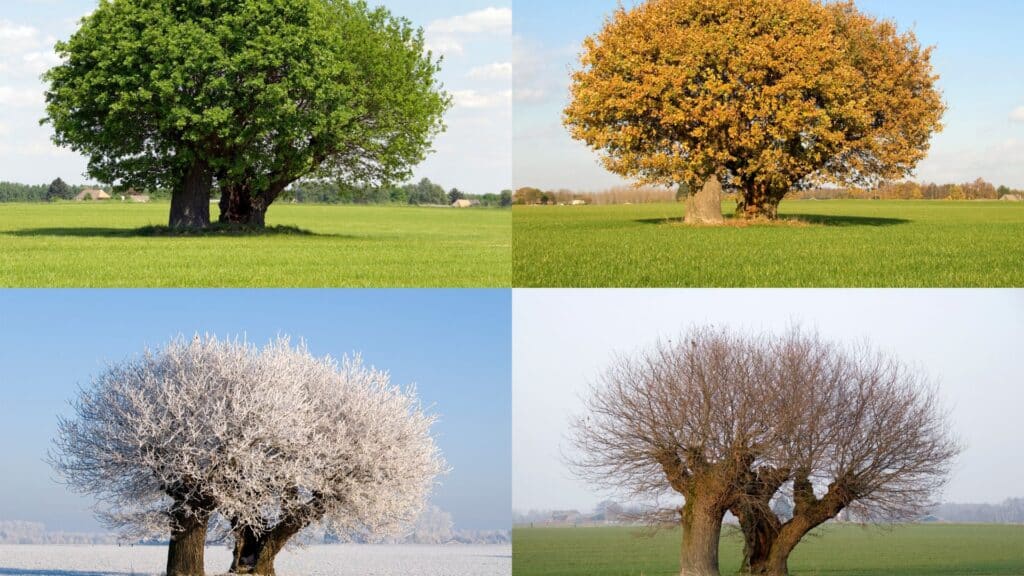
Keeping a home in good shape doesn’t require doing everything at once. It’s usually more about spreading small, consistent tasks throughout the year so nothing gets overlooked until it turns into a bigger, more expensive problem. Breaking maintenance down by season makes it a lot easier to stay on top of, since each season tends to bring its own set of things worth checking.
Here’s a simple, practical checklist broken down by season to help keep a home running smoothly all year.
Spring
Spring is a good time to assess anything winter may have left behind, along with getting ready for warmer weather ahead.
Check the roof for any missing, cracked, or damaged shingles, along with signs of ice or wind damage from winter.
Clean out gutters and downspouts, since spring rain can overwhelm gutters that are still clogged with fall leaves and winter debris.
Inspect the exterior for cracks in siding, foundation, or driveway surfaces that may have formed from winter’s freeze and thaw cycles.
Test outdoor faucets and irrigation systems to check for leaks or damage after being dormant through the colder months.
Schedule HVAC maintenance for the air conditioning system before the weather heats up, so small issues get caught before a hot summer day reveals them the hard way.
Summer
Summer maintenance tends to focus on staying ahead of heat, sun exposure, and the wear that comes with more outdoor activity.
Inspect and clean the deck or patio, checking for loose boards, rot, or areas that need resealing before the season gets fully underway.
Check window and door seals, since gaps here let cool air escape and can drive up energy bills during the hottest months.
Inspect the attic for proper ventilation, since poor airflow can trap heat and lead to higher cooling costs or even damage to roofing materials over time.
Trim trees and shrubs away from the house, reducing the risk of damage during summer storms and keeping pests from having an easy path onto the roof or siding.
Check the water heater for any signs of rust, leaks, or unusual noises, since summer’s heavier water usage can put extra strain on an aging unit.
Fall
Fall is mostly about preparing the home for colder weather before it actually arrives.
Clean gutters again, since falling leaves can clog them right before winter weather puts extra strain on the roof and drainage system.
Inspect the furnace or heating system, making sure it’s ready to run consistently before the first cold snap hits.
Seal any gaps around windows, doors, and the foundation to help keep heat in and cold air out once winter sets in.
Disconnect and drain outdoor hoses, then shut off exterior faucets to prevent frozen and burst pipes once temperatures drop.
Check the chimney and fireplace if the home has one, making sure it’s clean and safe to use before it gets regular use through the winter.
Winter
Winter maintenance is mostly about staying ahead of problems that tend to show up in freezing temperatures.
Watch for ice dams forming along the roofline, since these can force water back under shingles and lead to leaks inside the home.
Keep an eye on pipes in unheated areas like basements, crawl spaces, or garages, and consider letting faucets drip slightly during extreme cold snaps to reduce the risk of freezing.
Check weatherstripping around doors and windows periodically, since it can wear down and let cold air in as the season goes on.
Test smoke and carbon monoxide detectors, since heating systems and fireplaces see much heavier use during the winter months.
Keep walkways and steps clear of ice and snow buildup to avoid slip hazards throughout the season.
Why Breaking It Down By Season Helps
Trying to tackle every home maintenance task at once usually leads to some things getting skipped simply because the list feels overwhelming. Spreading tasks out across the year, and tying them to the season that actually calls for them, makes the whole process feel a lot more manageable. It also means each task gets done at the point when it’s most useful, rather than either too early or too late to matter.
Frequently Asked Questions
What’s the most important task on this list overall?
Gutter cleaning tends to have an outsized impact, since clogged gutters can lead to water damage on the roof, siding, and even the foundation if left unaddressed. Doing it at least twice a year, in spring and fall, covers most of what causes problems.
Do I really need to check my HVAC system every season?
A full inspection twice a year, once before summer and once before winter, is usually enough for most homes. Simple things like changing air filters are worth doing more often, generally every one to three months depending on usage.
How do I know if my gutters need cleaning?
Visible debris, water spilling over the sides during rain, or sagging sections are all clear signs. Checking after any major storm, in addition to the regular seasonal cleanings, helps catch problems before they lead to bigger issues.
Is it necessary to drain outdoor hoses and faucets every fall?
Yes, this is one of the easier tasks to skip, but it matters a lot in colder climates. Water left in hoses or exposed pipes can freeze and cause cracks or bursts, leading to a much bigger repair than the few minutes it takes to drain them properly.
What should I do if I notice an ice dam forming on my roof?
Removing built up snow near the edge of the roof can help reduce the pressure causing the ice dam in the first place. If water is already getting inside or the ice buildup is significant, it’s worth having it looked at rather than trying to chip it away, since that can damage the shingles underneath.