
Most homeowners have heard of duct cleaning. Fewer have heard of duct sealing, and even fewer realize it might be doing more for their comfort and energy bills than cleaning ever could. It’s one of those behind the walls problems that quietly drains money every single month without ever showing up as an obvious red flag.
Here’s what’s actually happening inside those ducts, and why sealing them up properly can make a bigger difference than most people expect.
What Duct Sealing Actually Means
Every home’s ductwork is made up of multiple sections joined together, running through attics, crawl spaces, basements, and walls to carry heated or cooled air to every room. Over time, the joints and seams where those sections connect can loosen, crack, or separate slightly, especially in homes with older ductwork or ducts that have been through a few seasons of extreme temperature swings.
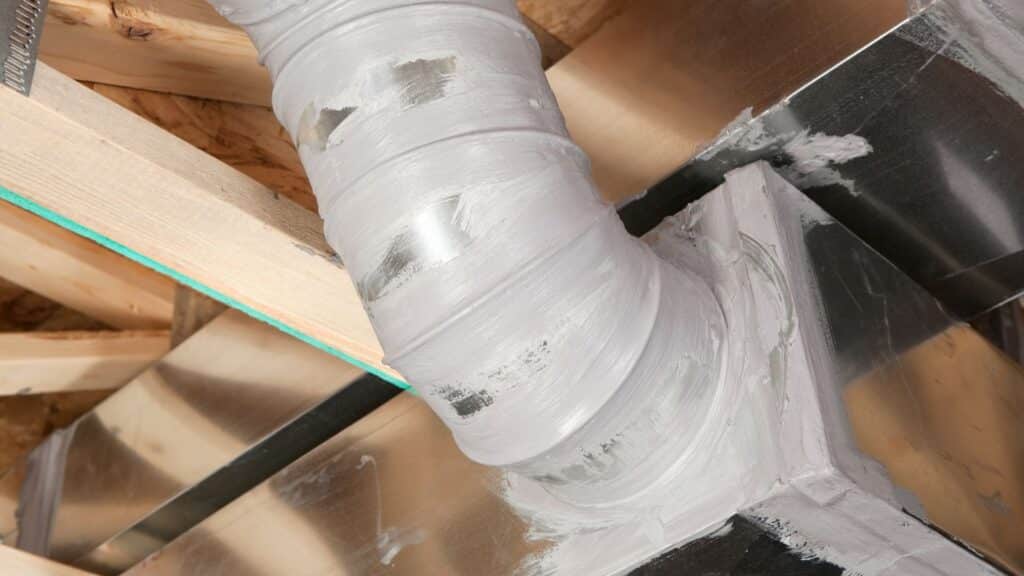
Duct sealing is the process of closing up those gaps, usually with mastic sealant or specialized metal tape, so the air moving through the system actually makes it to the rooms it’s meant for instead of leaking out along the way.
How Much Air Is Really Being Lost
This is the part that surprises most homeowners. In a lot of homes, leaky ducts are responsible for losing a significant chunk of the conditioned air a furnace or AC system produces before it ever reaches a vent. That air just ends up in an attic, crawl space, or wall cavity instead of the living room or bedroom it was supposed to heat or cool.
That means the system has to work harder and run longer to reach the same temperature on the thermostat, which shows up directly on monthly energy bills. It also means some rooms end up warmer or cooler than others, since the air simply isn’t reaching them the way it should.
Signs Your Ducts Might Need Sealing
A few common signs tend to show up before most people ever think to check the ductwork itself.
Some rooms are noticeably harder to heat or cool than others, even with the thermostat set the same for the whole house.
Energy bills have crept up over time without any real change in how the system is used.
There’s noticeable dust buildup near vents or registers, which can happen when ducts pull in air from unconditioned spaces like attics or crawl spaces.
The HVAC system runs longer than it used to in order to hit the same temperature.
Any one of these on its own could point to a few different issues, but together they’re a pretty strong signal that duct leakage is playing a role.
Why This Gets Overlooked So Often
Ductwork is hidden behind walls, above ceilings, and tucked into attics and crawl spaces, so it’s easy to forget it exists at all until something goes wrong. Most homeowners are focused on the furnace or AC unit itself, since that’s the part they can actually see and hear. Ducts just don’t get the same attention, even though they’re the delivery system for everything the equipment is working to produce.
Duct cleaning also tends to get more attention than duct sealing since it’s a more familiar service. Cleaning deals with dust and debris inside the ducts, while sealing deals with the physical gaps that let air escape. Both matter, but sealing is often the piece that actually changes how efficiently a system runs.
The Bigger Picture: Comfort and Cost
Sealing up leaky ductwork tends to have a pretty noticeable effect on two things at once, comfort and cost. Rooms that used to run a few degrees warmer or cooler than the rest of the house often even out once air is actually reaching them the way it’s supposed to. And since the system isn’t working overtime to compensate for lost air, it doesn’t have to run as long or as often, which shows up as lower energy bills over time.
It’s one of those improvements that doesn’t require replacing any equipment or spending money on a full system upgrade. It just means making sure the system already in place is actually delivering what it’s producing.
When It’s Worth Having Checked
Homes older than 15 to 20 years are especially good candidates, since ductwork naturally shifts and settles over that much time. Anyone who’s noticed uneven temperatures room to room, rising energy bills, or excess dust around vents has a good reason to have the ductwork inspected. A proper duct sealing service can identify exactly where air is escaping and seal it up properly, rather than guessing at the problem.
Frequently Asked Questions
Is duct sealing the same thing as duct cleaning?
No, they’re two different services. Cleaning removes dust, debris, and buildup from inside the ducts. Sealing closes up physical gaps and leaks in the ductwork itself, which is what actually stops conditioned air from escaping before it reaches a room.
How do I know if my ducts are leaking?
Uneven temperatures between rooms, rising energy bills, and extra dust near vents are the most common signs. A licensed HVAC technician can also run a pressure test to measure exactly how much air is being lost.
Can I seal ducts myself?
Some minor gaps can be handled with the right materials, but most ductwork runs through hard to reach spaces like attics and crawl spaces. A professional inspection tends to catch leaks that are easy to miss without the right tools and experience.
Does duct sealing really make a noticeable difference in energy bills?
For homes with significant leakage, yes, often enough to notice within the first couple of billing cycles. The exact savings depend on how much air was being lost beforehand and how the home is set up.
How often should ductwork be inspected?
Every few years is a reasonable baseline, though homes older than 15 to 20 years or homes with noticeable comfort issues benefit from checking sooner rather than later.