
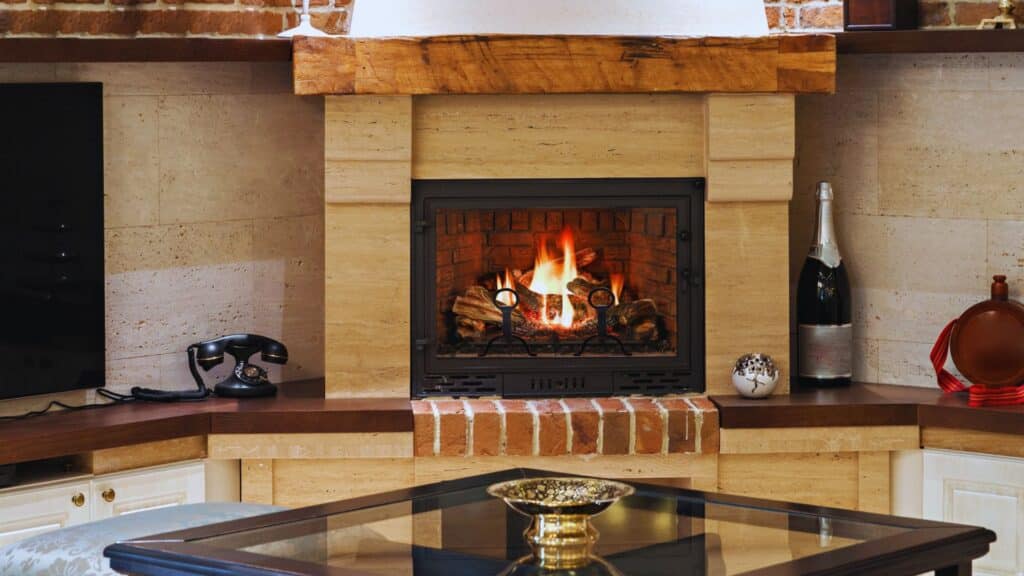
A fireplace does a lot more than just heat a room. It sets the mood for a cold evening, gives a living room a focal point, and for a lot of homeowners, it’s tied to some of the best memories in the house. If your fireplace is older, inefficient, or just not working the way it used to, it might be worth looking into an upgrade or getting it properly serviced.
Types of Fireplaces to Consider
Fireplace options have come a long way, and there’s a lot more variety out there than most homeowners realize.
Gas fireplaces are popular because they’re low maintenance and give you heat at the push of a button. There’s no wood to haul, no ash to clean up, and they tend to burn cleaner than traditional wood units.
Wood burning fireplaces are still a favorite for people who love the sound and smell of a real fire. Newer wood inserts are also a lot more efficient than older models, so you can get that classic experience while using less wood.
Pellet stoves run on compressed wood pellets and offer a nice middle ground. They’re efficient, easy to fuel, and many models can run on a thermostat.
Electric fireplaces are the simplest option since there’s no venting or fuel needed at all. They’re a good fit for homes where a traditional chimney isn’t practical, or for adding supplemental warmth to a room.
Choosing between them usually comes down to how much heat you need, whether you already have a chimney, and what kind of look and feel you’re going for.
Why Efficiency Matters
An older fireplace can lose a lot of heat straight up the chimney, which means you’re paying to heat air that never actually makes it into your living space. Newer units and inserts are built to hold onto more of that heat, so your fireplace works with your furnace instead of against it.
If your fireplace is mainly used for looks and doesn’t provide much actual warmth, that’s usually a sign the unit is outdated or has an inefficient design. Upgrading can mean lower heating costs during the months you use it most.
Keeping Up With Maintenance
Even a well built fireplace needs regular attention. An annual inspection can catch small issues, like a worn gasket or minor ventilation problem, long before they become expensive repairs.
A few things a yearly checkup usually covers:
Creosote buildup. This forms naturally in wood burning fireplaces and chimneys, and it becomes a fire hazard if it’s allowed to build up over time.
Gas connections. For gas fireplaces, checking connections and the ignition system helps make sure everything is working safely.
Chimney obstructions. Nests, debris, and other blockages can affect draft and ventilation, which impacts both safety and performance.
Sticking to a yearly maintenance schedule is one of the easiest ways to avoid bigger headaches down the line.
Chimney Cleaning Shouldn’t Be Skipped
If you have a wood burning fireplace, chimney cleaning is one of the most important things you can do for safety. As wood burns, it leaves behind creosote and soot that build up along the inside of the chimney. Over time, that buildup becomes highly flammable.
Regular cleaning helps keep airflow open, reduces fire risk, and keeps your fireplace running the way it’s supposed to. Most homeowners get their chimney cleaned once a year, though it can depend on how often the fireplace gets used.
Signs It’s Time to Call a Professional
Some fireplace issues are easy to spot before they turn into a bigger problem. Keep an eye out for things like smoke drifting into the room instead of up the chimney, cracked bricks or mortar, a strong smoky smell even when the fireplace isn’t in use, or trouble getting a fire started or keeping it going.
Gas fireplace owners should also watch for ignition problems or a pilot light that won’t stay lit. These issues usually point to something in the gas line or ignition system that needs a closer look.
Catching these signs early usually means a simpler, less expensive fix.
What Goes Into a Proper Installation
Installing a fireplace is more involved than just placing a unit against a wall. It requires the right venting, proper clearance from combustible materials, and compliance with local building codes. Getting this part right matters for both safety and how well the fireplace performs long term.
This is why most homeowners choose to work with an experienced installer rather than attempting a DIY setup, especially for gas units or anything requiring chimney work.
If you’re in the Jackson, Michigan area and want help choosing or installing a fireplace, The Grate Haus has been doing this for over 20 years and can walk you through the options that make sense for your home.
Frequently Asked Questions
How often should a fireplace be inspected?
Once a year is generally recommended, ideally before the season you use it most. This gives you time to catch and fix any small issues before they turn into bigger repairs.
Is a gas fireplace more efficient than a wood burning one?
Gas fireplaces tend to be more consistent and easier to control for heat output, while modern wood burning inserts have closed the efficiency gap quite a bit compared to older models. Both can be a good choice depending on what you’re looking for.
How do I know if my fireplace needs a repair instead of just cleaning?
Cracked bricks, water leaks near the chimney, or smoke coming into the room instead of going up the chimney usually point to a repair issue rather than something a cleaning alone will fix.
Can I skip chimney cleaning if I don’t use my fireplace much?
Even with light use, creosote can still build up over time. It’s a good idea to have it checked yearly even if the fireplace only gets used occasionally.
Do electric fireplaces need any maintenance?
Electric fireplaces need very little upkeep since there’s no venting or combustion involved. Occasional dusting and checking that the unit is working properly is usually all that’s needed.