
When snow begins to melt and temperatures slowly rise, many homeowners breathe a sigh of relief. However, the end of winter brings a new concern that often goes unnoticed until it becomes serious. Months of freezing temperatures, heavy snow, and repeated thaw cycles create ideal conditions for hidden moisture to take hold. Recognizing winter water damage signs early is essential to preventing expensive repairs and long-term structural problems.
Snow may look harmless as it blankets your roof and yard, but as it melts, water can seep into vulnerable areas throughout your home. Ice dams, clogged gutters, foundation cracks, and compromised roofing all contribute to hidden moisture intrusion. Knowing where to look gives you the best chance to act quickly and minimize the impact.
Why Snow Season Creates Hidden Moisture Problems
Winter weather creates conditions that trap moisture in ways homeowners often overlook. Snow accumulation on roofs can melt during sunny days and refreeze at night, forming ice dams that force water under shingles and into attic spaces. When snow piles up around foundations and then melts rapidly, the surrounding soil becomes saturated, increasing pressure against basement walls. As the ground thaws, drainage may not function properly, leading to pooling water near the home.
All of these conditions contribute to hidden damage that may not surface for weeks. According to the Insurance Information Institute, water damage and freezing are among the most common causes of homeowner insurance claims, which is why identifying winter water damage signs as early as possible matters so much.
Inspect Your Attic First
The attic is one of the first places to check after the snow season. Ice dams and roof leaks often leave their earliest traces here, well before any visible staining appears on ceilings below. Look for damp insulation, dark stains on wood framing, or any mold growth along the rafters. Insulation that feels compressed or wet is a clear indicator that melting snow has penetrated the roof system.
Warped plywood sheathing and rusty nail heads are also worth noting. Rust on nail heads often points to condensation buildup caused by poor ventilation during the colder months. Addressing these findings quickly prevents mold from spreading and protects the structural components overhead.
Examine Ceilings and Interior Walls
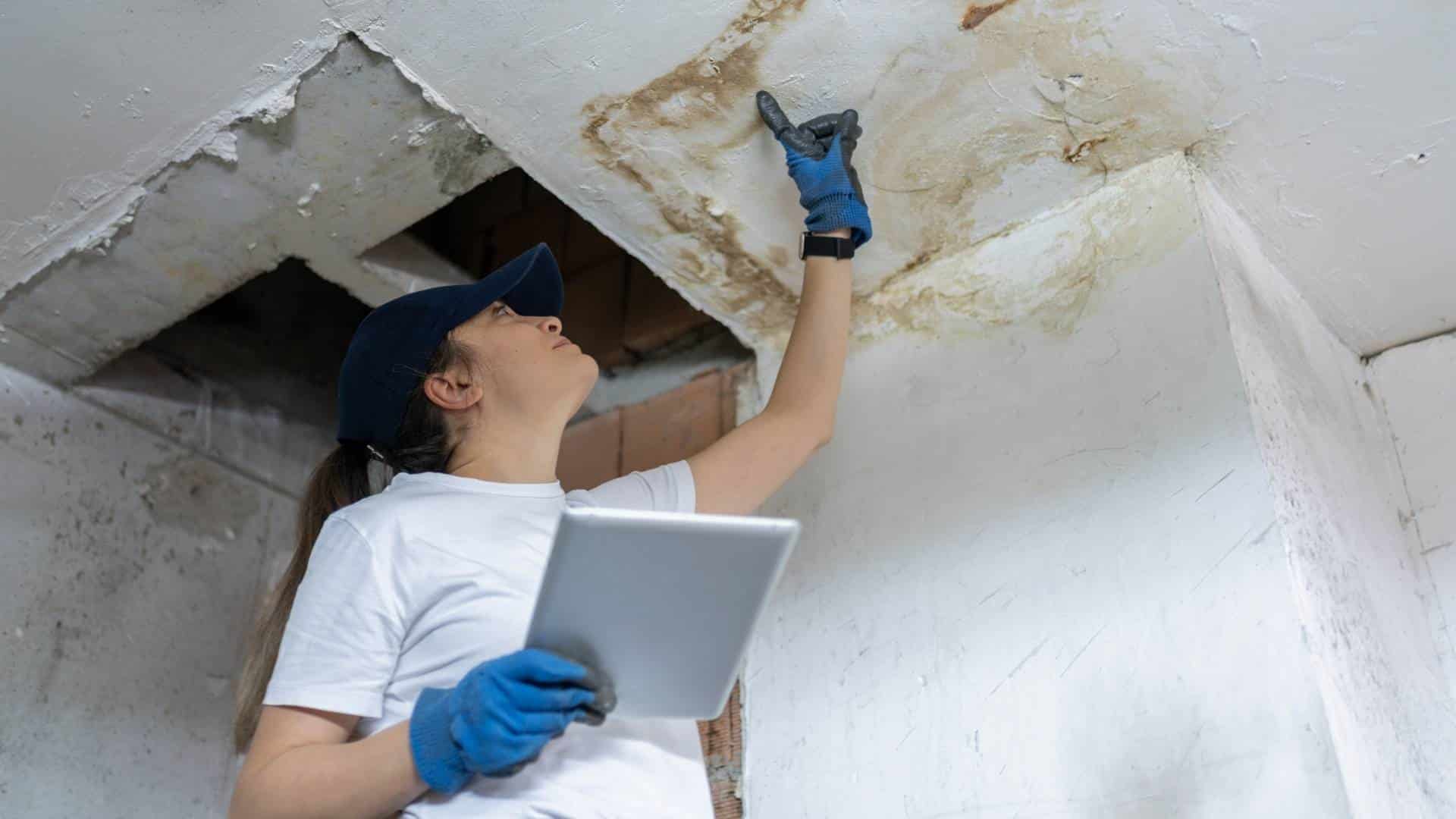
Water infiltration from the roof or upper levels frequently appears on ceilings and walls before it becomes visible elsewhere. Yellow or brown discoloration is one of the most recognizable winter water damage signs and indicates moisture accumulating behind the drywall. Peeling paint, bubbling surfaces, and soft or sagging sections all suggest that water has weakened the material from behind.
Run your hand along any suspicious areas to detect subtle texture changes. Hidden moisture does not always produce visible staining right away, but often leaves drywall feeling slightly soft or uneven to the touch. Catching these changes early prevents the damage from spreading further into insulation and framing.
Check Windows and Door Frames
Snow buildup against exterior walls can lead to water intrusion around windows and doors as it melts. Small cracks and poorly sealed frames offer easy entry points. Common indicators in these areas include warped trim, cracked caulk, soft wood, and mold growth along window sills or black discoloration on the surrounding framing.
Fogging between window panes may also signal a failed seal and trapped moisture within the glass unit itself. Replacing damaged sealant and repairing compromised trim early reduces the risk of worsening damage to the surrounding wall cavity.
Inspect the Basement Thoroughly
Basements are especially vulnerable after the snow season. When frozen soil thaws rapidly, groundwater pressure increases around the foundation, and moisture can infiltrate cracks or porous concrete with little warning. Musty odors, efflorescence on walls, peeling paint, and damp carpeting are all common winter water damage signs to look for. Efflorescence appears as a white, powdery residue left behind when water evaporates from concrete surfaces.
Check corners and wall joints carefully, as small foundation cracks can produce subtle infiltration that worsens over time. Confirm that your sump pump is functioning properly before the heaviest spring melt arrives. Early detection here can prevent mold growth and protect everything stored below grade.
Look for Exterior Indicators
Your inspection should extend outside as well. Walk the perimeter of your home and examine siding for warping, discoloration, or signs of rot. Vinyl panels that appear loose or cracked can allow moisture to work its way behind the surface. Foundation areas where soil has settled or where water is visibly pooling after a thaw are among the most concerning exterior winter water damage signs.
Gutters and downspouts deserve close attention too. Sagging sections, disconnected joints, and debris-filled channels all redirect meltwater toward vulnerable areas instead of safely away from the home.
Inspect Roof Shingles and Flashing
Roof surfaces endure significant stress over a full winter. Repeated freeze-thaw cycles can lift or crack shingles, and missing shingles expose the underlayment directly to moisture. Flashing around chimneys and vents is another common trouble spot. Even minor gaps in flashing allow water to seep beneath roofing materials and create hidden damage that may not appear inside for days or weeks.
Scheduling a roof inspection each spring reduces the likelihood of serious deterioration going undetected through the warmer months.
Pay Attention to Odors and Humidity
Not all winter water damage signs are visible. Musty odors are a strong indicator of hidden mold growth caused by moisture that never fully dries out. Pay close attention to any unusual smells in rooms that were closed off during the winter or that are near exterior walls and the basement.
Elevated indoor humidity, condensation on windows, and damp air in specific rooms can also point to underlying moisture problems. A basic moisture meter is a practical tool for detecting hidden issues behind walls or under flooring before they become visible.
Examine Flooring Throughout the Home
Hardwood floors may warp or cup when exposed to prolonged moisture. Laminate flooring often swells at the edges, and carpet padding can retain dampness long after the surface feels dry. Persistent discoloration or a soft feel underfoot near entryways and basement access points are common signs worth investigating further.
Identifying these issues early allows you to dry and replace damaged materials before mold has a chance to establish itself beneath the surface.
Evaluate Landscaping and Drainage
Proper drainage plays a critical role in keeping moisture away from the home. If soil slopes toward your foundation, melting snow increases infiltration risk significantly. Look for erosion, pooling water, or clogged drainage paths around the property. These exterior conditions often precede interior issues by days or even weeks.
Regrading soil, clearing drainage channels, and extending downspouts away from the foundation are practical steps that reduce recurring moisture problems in future seasons.
Build a Seasonal Inspection Routine
Consistency is the most reliable defense against undetected damage. Each spring, work through a checklist that covers the attic, roof, basement, siding, windows, and drainage. Take photos to compare changes year over year. Identifying patterns early helps you address root causes rather than applying temporary fixes that leave underlying issues unresolved.
When to Call a Professional
While many issues can be spotted during a homeowner walkthrough, some situations require professional assessment. Extensive mold growth, structural cracking, or leaks that persist despite repairs are signs that something more serious is at work. If winter water damage signs continue to worsen after you have made corrections, consult a qualified contractor or water remediation specialist.
Professional inspections provide clarity on hidden damage and ensure that moisture problems are resolved at the source rather than managed on the surface.
Protect Your Home This Spring
Snow season may be beautiful, but its aftermath can quietly threaten your home’s structure and air quality. By working through a thorough inspection of your attic, walls, basement, windows, roof, and exterior, you can uncover hidden issues before they escalate into major repairs. Prevention is always more affordable than remediation.
