
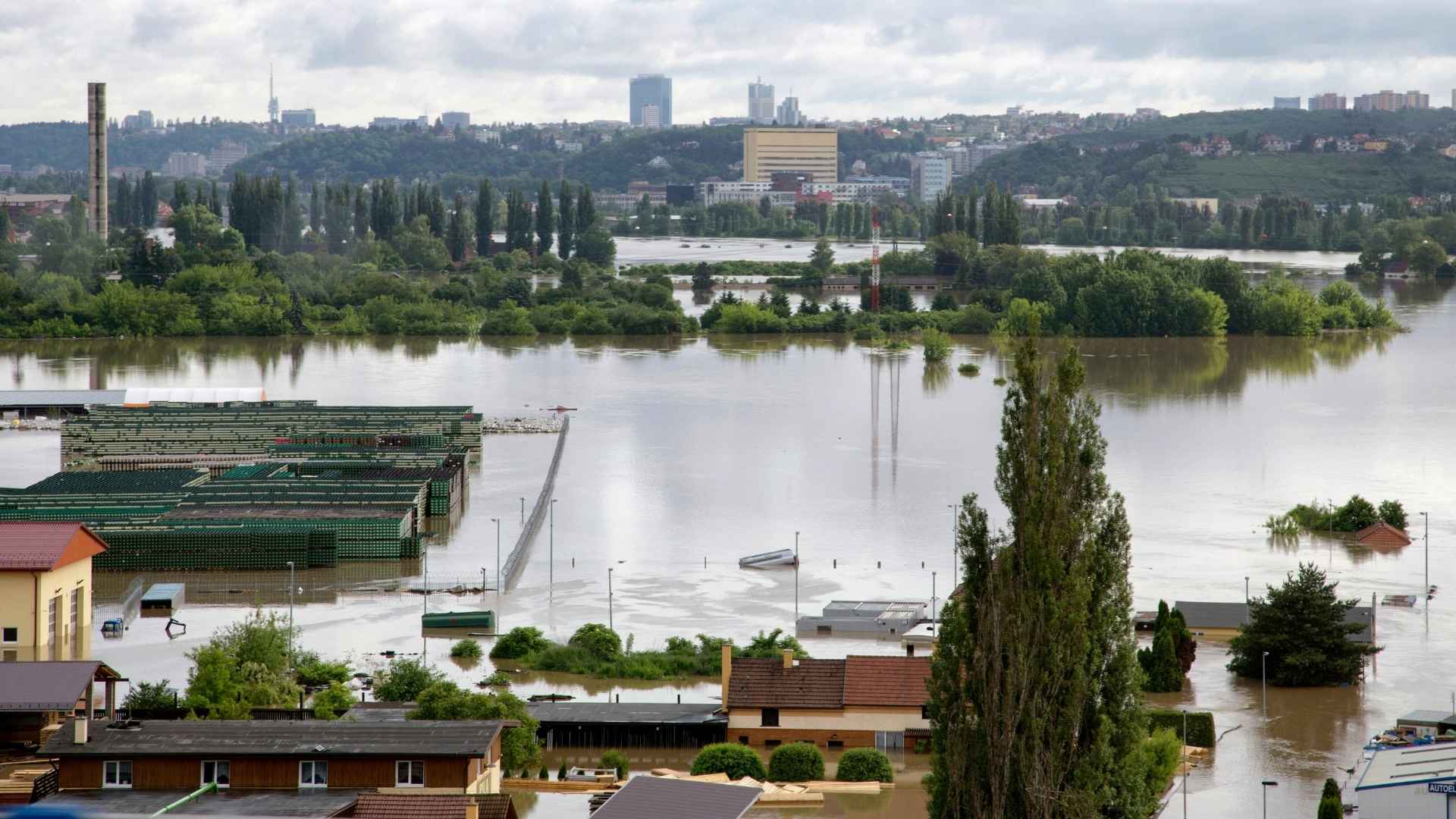
When winter begins to loosen its grip and temperatures start to rise, homeowners face one of the most common seasonal risks: basement flooding. Snow accumulation, frozen ground, and rapid melting create the perfect storm for water intrusion. Without proper basement flood prevention, melting snow and spring rain can overwhelm your home’s defenses in a matter of hours.
Spring thaw may feel like a relief after months of cold weather, but it introduces serious moisture challenges. As frozen soil begins to soften, it often cannot absorb water quickly enough. This excess water builds up around foundations, increasing hydrostatic pressure against basement walls. Basement flood prevention is essential to protect your home from costly structural damage, mold growth, and ruined belongings.
This comprehensive guide will walk you through strategies to prevent basement flooding this spring when the snow thaws so you can stay ahead of spring water risks and safeguard your property.
Why Spring Thaw Causes Basement Flooding
Understanding the causes behind spring flooding is the first step in effective basement flood prevention. During winter, snow accumulates across roofs, yards, and driveways. When temperatures rise quickly, snow melts rapidly, producing large volumes of water in a short period.
At the same time, the ground may still be partially frozen, which limits absorption. Instead of soaking into the soil, meltwater flows toward the lowest point, often your foundation. Without proper basement flood prevention systems in place, that water can seep through cracks, window wells, or porous concrete walls.
Heavy spring rain only compounds the issue. When melting snow and rainfall occur together, the drainage capacity around your home can easily become overwhelmed.
Inspect and Maintain Your Sump Pump
One of the most important tools in basement flood prevention is the sump pump. This device collects groundwater from a sump basin and pumps it away from your foundation. If your sump pump fails during spring thaw, your basement is vulnerable.
Begin your basement flood prevention routine by testing the sump pump before snow begins to melt. Pour water into the basin to ensure it activates properly. Check that the discharge pipe directs water far enough away from your home. Make sure the pipe is not clogged or frozen.
Consider installing a battery backup system. Power outages are common during spring storms, and a backup pump ensures basement flood prevention continues even if electricity is interrupted.
Clean and Extend Gutters and Downspouts
Clogged gutters are a leading cause of foundation water buildup. Leaves, debris, and winter ice can block water flow, allowing overflow to pool near your foundation.
As part of your basement flood prevention plan, clean gutters thoroughly before spring rains begin. Remove debris and ensure downspouts are securely attached. Downspouts should extend at least six feet away from the foundation to promote effective basement flood prevention.
If water consistently pools near your home, consider adding downspout extensions or underground drainage systems. These improvements prevent basement flooding by redirecting water safely away from vulnerable areas.
Check Foundation for Cracks and Gaps
Even small foundation cracks can allow water infiltration during spring thaw. Freeze and thaw cycles often expand existing cracks or create new ones. Inspect basement walls carefully as part of your basement flood prevention efforts.
Look for hairline fractures, gaps around utility lines, and signs of moisture staining. Seal minor cracks using waterproof masonry sealant. For larger cracks or structural concerns, consult a professional.
Foundation inspections are a cornerstone of basement flood prevention. Addressing vulnerabilities early reduces the risk of costly water damage later.
Improve Yard Grading and Drainage
The slope of your yard plays a critical role in basement flood prevention. Ideally, soil should slope away from your foundation to prevent water accumulation. Over time, soil may settle and create low spots where water collects.
Inspect the grading around your home and add soil where necessary to maintain a downward slope. Avoid piling mulch or soil directly against the foundation. Proper grading enhances natural drainage and strengthens your basement flood prevention strategy.
Installing French drains or surface drains may further improve water management. These systems redirect water away from problem areas and support long term prevention from flooding.
Maintain Window Wells
Basement windows are particularly vulnerable during spring thaw. Window wells can fill with water if not properly maintained, increasing the risk of leaks.
Clean debris from window wells and ensure drains are clear. Installing well covers can prevent snow and leaves from accumulating. Proper window well maintenance is another key component to prevent basement flooding.
Install a Backwater Valve
During heavy spring storms, municipal sewer systems can become overloaded. This pressure may force sewage back into basement drains. A backwater valve prevents reverse flow and strengthens your basement flood prevention system.
This device automatically closes if water begins flowing backward, protecting your home from contamination and damage. Backwater valves are highly recommended in flood prone areas and are an important addition to basement flood prevention planning.
Waterproof Basement Walls
Applying waterproof coatings to basement walls adds an extra layer of basement flood prevention. While not a substitute for structural repairs, waterproof sealants reduce moisture penetration through porous concrete.
Interior waterproofing methods may include vapor barriers and drainage panels. Exterior waterproofing, though more involved, offers stronger basement flood prevention by stopping water before it reaches the foundation wall.
Monitor Snow Removal Practices
Improper snow removal can unintentionally direct meltwater toward your home. When clearing driveways and walkways, avoid piling snow against foundation walls.
Strategic snow placement supports basement flood prevention by encouraging meltwater to drain away from the structure. Even simple adjustments in winter habits can improve spring outcomes.
Install Water Alarms and Monitoring Systems
Early detection is critical in preventing basement flooding. Water alarms placed near sump pumps or low points in the basement can alert you to rising water levels.
Smart home monitoring systems can send notifications directly to your phone, allowing immediate response. Combining technology with traditional basement flood prevention methods enhances overall protection.
Protect Valuable Items
Even with strong basement flood prevention strategies, extra precautions are wise. Store valuables on elevated shelving rather than directly on the floor. Use waterproof containers for important documents.
Preventive organization complements your broader basement flood prevention plan and minimizes loss in case of unexpected water intrusion.
Create a Seasonal Basement Flood Prevention Checklist
Consistency is key. Develop a seasonal checklist that includes sump pump testing, gutter cleaning, foundation inspection, grading evaluation, and window well maintenance.
Revisiting this checklist each year ensures basement flood prevention remains a priority. Spring thaw arrives quickly, and preparation makes all the difference.
When to Call a Professional
While many basement flood prevention tasks are manageable for homeowners, some issues require expert assessment. Persistent leaks, structural cracks, or recurring flooding may indicate deeper drainage problems.
Professional evaluations provide peace of mind and ensure basement flood prevention systems are functioning effectively.
Act Before the Snow Melts
The best time to implement basement flood prevention measures is before temperatures rise consistently. Waiting until water begins pooling limits your options.
Proactive basement flood prevention protects your investment and prevents stress during spring storms. A dry basement contributes to healthier indoor air quality and stronger structural integrity.
Take Control of Basement Flood Prevention Today
Spring thaw does not have to mean water damage. By focusing on sump pump maintenance, foundation sealing, gutter management, grading improvements, and backwater protection, you create a comprehensive basement flood prevention strategy. Preparation today can save thousands in repairs tomorrow.
