
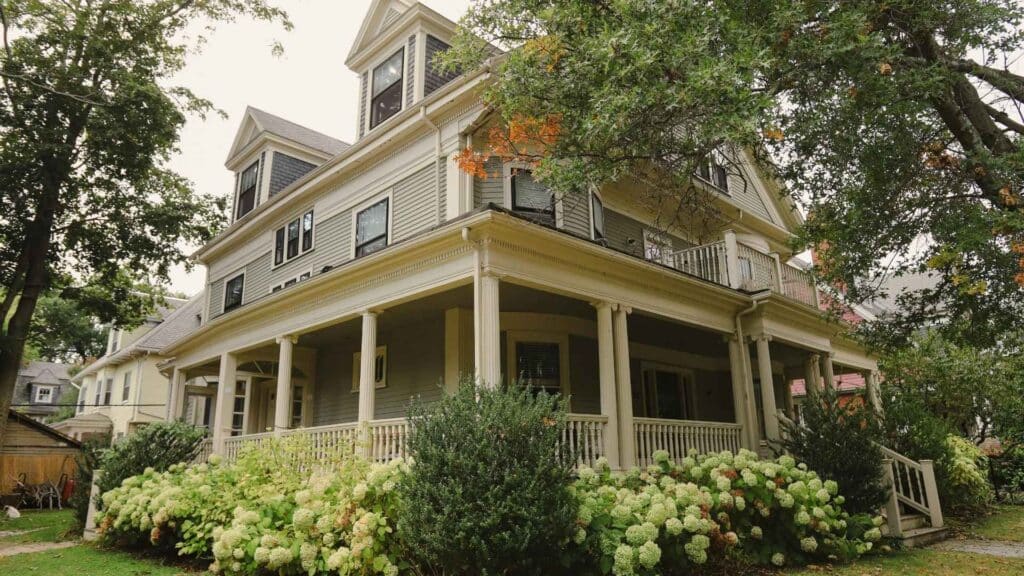
First impressions matter, and for a home, that impression starts at the curb. Whether you are thinking about selling in the next few years or simply want a yard you are proud to pull into every evening, learning how to improve curb appeal does not have to cost a fortune. Some of the most impactful changes a homeowner can make are also the most affordable.
Anytime is the ideal time to tackle exterior improvements in Michigan. The snow has melted, the ground is thawing, and plants are ready to respond to a little attention. This guide covers practical, budget-friendly strategies to improve curb appeal from the ground up, with ideas that work for nearly any home style or lot size.
Most of the projects here can be done over a weekend with basic tools. None of them requires a contractor or a large investment. What they do require is a clear eye for what your home’s exterior needs most and a willingness to roll up your sleeves and get started.
Start With a Clean Slate
Before you spend a dollar on plants, paint, or new fixtures, spend a few hours thoroughly cleaning your home’s exterior. Pressure washing the driveway, walkway, siding, and front porch can make an older home look dramatically newer without any actual renovation. Dirt, mildew, and years of weather buildup dull every surface, and removing them is the single highest-return task you can do to improve curb appeal on a tight budget.
Rent a pressure washer for the day if you do not own one. Most rental centers charge between $40 and $75 for a half-day rental, and the results are immediate and visible. Pay special attention to the driveway, which tends to accumulate oil stains and grime, and the areas around gutters and downspouts where mildew commonly forms.
While you are at it, clean the windows from the outside. Sparkling windows catch light in a way that reads as well-maintained and cared for, even from the street. Wipe down the front door, clean out the gutters, and sweep every hard surface visible from the road. A clean exterior is the foundation that makes every other improvement look its best.
Give Your Front Door a Fresh Start
The front door is the focal point of any home’s exterior, and painting it is one of the most cost-effective ways to improve curb appeal quickly. A gallon of exterior paint runs between $30 and $60, and a single afternoon of work can completely transform how your home reads from the street. Bold colors like deep navy, forest green, and brick red consistently perform well and give a home a sense of character and confidence.
If the door itself is in good shape, paint is all you need. If the hardware is dated or tarnished, replacing the handle set, knocker, house numbers, and light fixture as a coordinated set makes the entry feel intentional and polished. New hardware typically costs between $50 and $150 for the full set, and the installation is straightforward for most homeowners with basic tools.
Do not overlook the small details around the entry. A new doormat, a potted plant or two flanking the door, and a clean light fixture with a working bulb are finishing touches that signal care and attention. These elements cost very little individually, but together they create an entry that feels welcoming and complete.
Refresh Your Landscaping Without a Big Budget
Overgrown shrubs, patchy grass, and bare mulch beds all work against you when you are trying to improve curb appeal. The good news is that basic landscaping maintenance costs almost nothing and makes an enormous visual difference. Start by edging along all walkways, the driveway, and any planted beds. A clean, defined edge is one of those details that reads as professional and well-kept even from a distance.
Trim back any shrubs or hedges that have grown past their intended shape, and remove any dead plants or branches that are visible from the street. Pull weeds from every bed and crack in the hardscape. These tasks take time but cost nothing beyond a few basic tools you likely already own.
Once the existing landscaping is cleaned up, add a fresh layer of mulch to all planted beds. Bagged mulch runs about $4 to $6 per bag, and most front yards need between eight and fifteen bags to do the job properly. Fresh dark mulch makes plants look healthier, suppresses new weed growth, and gives beds a finished appearance that significantly helps improve curb appeal for a very low cost.
Add Color with Seasonal Plants and Flowers
Nothing says “well-tended home” like healthy flowers in bloom. Spring in Michigan is the perfect time to plant annuals that will carry color through the summer and into fall. Marigolds, petunias, impatiens, and geraniums are all affordable, widely available, and reliable performers in Michigan’s climate. A flat of annuals from a garden center typically costs between $10 and $20 and can fill several containers or a modest flower bed.
Container planting is an especially budget-friendly strategy because it allows you to move plants around and swap them out seasonally. A pair of large pots flanking the front door with bright seasonal flowers creates an inviting entry and can be refreshed each season for a minimal investment. If the containers themselves are dated or damaged, spray painting them in a coordinating color is an inexpensive fix that looks intentional.
Window boxes are another affordable way to add color and dimension to a flat facade. They can be purchased for as little as $15 to $30 at most home improvement stores, and once installed, they create a cottage-style charm that significantly helps improve curb appeal. Fill them with trailing plants like sweet potato vine combined with upright flowers for a layered, full look that photographs beautifully and looks even better in person.
Update or Repair Your Walkway
The path from the street or driveway to your front door gets more attention than most homeowners realize. A cracked, uneven, or weed-filled walkway undermines the impression you are trying to create, even if everything around it looks great. Fortunately, walkway improvements do not have to involve full replacement.
For concrete walkways with minor cracks, a concrete patching compound from the hardware store costs under $20 and seals the damage effectively. For brick or paver walkways, resetting any sunken or shifted pavers is a DIY-friendly task that makes a dramatic difference in how the path reads. Pulling weeds from the joints and filling them with polymeric sand keeps the surface looking clean and prevents regrowth.
If the walkway itself is beyond minor repair, consider lining it with low-growing flowering plants or solar path lights to draw the eye and create a welcoming feel. Solar path lights cost as little as $2 to $5 each and require no wiring, making them an extremely accessible upgrade. Lighting a walkway also improves safety and gives your home a warm, finished look after dark that helps improve curb appeal well beyond daylight hours.
Tackle the Lawn
A healthy, green lawn is the backdrop for everything else on your property. If yours is patchy or thin coming out of winter, overseeding bare areas in spring gives the grass time to establish before the heat of summer arrives. A bag of grass seed suitable for Michigan’s climate costs between $15 and $40, depending on size, and a light top dressing of compost over the seeded area dramatically improves germination rates.
Consistent mowing at the right height makes a bigger difference than most homeowners expect. Cutting cool-season grasses like Kentucky bluegrass or fescue at a height of three to four inches encourages deeper root development, reduces water needs, and produces a thicker, healthier-looking lawn. Sharp mower blades leave clean cuts that resist disease and keep the grass looking its best through the season.
Edging along the driveway, sidewalk, and any garden beds ties the whole lawn together and signals that the property is actively maintained. According to the National Association of Realtors, a well-maintained lawn and landscaping can add between 5% and 11% to a home’s perceived value, making lawn care one of the highest-return investments a homeowner can make to improve curb appeal before a sale or simply as a point of pride. You can read more about how landscaping affects home value through the National Association of Realtors’ research on outdoor features.
Paint or Replace Your Mailbox and House Numbers
Mailboxes and house numbers are small details that register more than people realize. A rusted, leaning mailbox or faded, hard-to-read house numbers sends a subtle signal of neglect even when the rest of the property looks good. Replacing a standard post mailbox cost between $30 and $80 and takes less than an hour to install. Choosing a style that coordinates with your door hardware and light fixtures creates a cohesive, intentional look.
House numbers are equally important and equally overlooked. Modern, cleanly designed address numbers are available online and at home improvement stores for $20 to $60 for a full set. Mounting them at a readable size and in a well-lit location ensures visitors and delivery drivers can find your home easily, and the clean look contributes meaningfully to the overall effort to improve curb appeal without spending much at all.
Look Up: Gutters, Trim, and Roof Line
Once the ground-level improvements are done, take a step back and look at the upper portions of your home’s exterior. Gutters that are sagging, pulling away from the fascia, or visibly clogged with debris stand out in a way that undermines the improvements below. Reattaching loose gutter spikes or replacing them with gutter screws is a quick fix that takes an hour and costs almost nothing.
Peeling or chipped trim paint is another detail that catches the eye from the street. You do not have to repaint the entire house to make a significant difference. Touching up the trim, fascia, and window sills with a fresh coat of paint dramatically improves the overall impression your home makes. Use a brush and a small quantity of trim paint, which typically costs $20 to $30 per quart, to address the most visible areas first.
Standing at the street and really looking at your home with fresh eyes is one of the most useful things you can do before deciding where to spend your time and money. Ask yourself what draws your eye first, what looks tired, and what looks like it belongs. The answers usually point directly to the projects that will have the biggest impact.
Final Thoughts
You do not need a large budget or a professional crew to meaningfully improve curb appeal. A weekend of focused effort, a handful of affordable materials, and a consistent eye for detail can transform the way your home looks and feels from the outside. In Michigan, anytime is the perfect season to get started, with warmer temperatures, receptive soil, and the whole growing season still ahead.
The most important step is simply to begin. Pick the one or two projects that will have the most visible impact for your specific home, do those first, and build from there. Small, intentional improvements add up quickly, and the results are something you will enjoy every time you come home.